
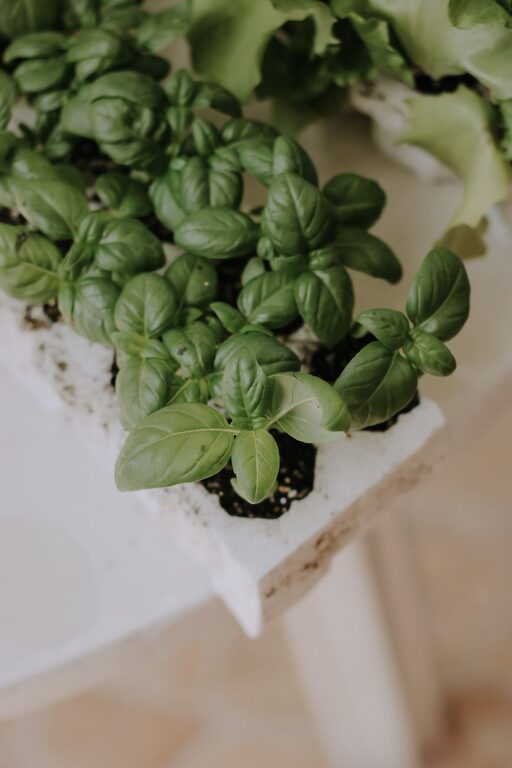
Starting a small herb garden indoors is a wonderful way to bring a touch of nature into your home, enjoy fresh flavours in your cooking, and try your hand at gardening without needing a large outdoor space. Whether you have a sunny windowsill or a spare corner, growing herbs indoors can be simple and enjoyable.
In this guide, we’ll walk you through everything you need to know to start your own small indoor herb garden, including choosing herbs, selecting containers, providing the right light, and caring for your plants.
Why Grow Herbs Indoors?
Growing herbs indoors offers several benefits:
– Freshness: Pick herbs straight from your garden when you need them.
– Convenience: No need to go outside or buy expensive herbs at the store.
– Year-round gardening: Indoor herbs can grow throughout the year, regardless of season.
– Decor: Herb plants add greenery and scent to your home.
– Learning: It’s a fun hobby that teaches patience and responsibility.
Choosing the Right Herbs for Your Indoor Garden
Not all herbs thrive indoors equally well. It’s best to start with varieties that adapt to indoor conditions and require similar care. Some popular herbs for beginners include:
– Basil: Bright, sweet flavour; loves warmth and sunlight.
– Chives: Mild onion flavour; grows quickly and is quite hardy.
– Mint: Refreshing scent and taste; can spread fast, so keep in its own pot.
– Parsley: Versatile herb with moderate light needs.
– Thyme: Small leaves, strong flavour; tolerates drier soil.
– Coriander (Cilantro): Needs plenty of light; good for fresh sauces.
– Oregano: Mediterranean herb; thrives in dry conditions.
Starting with two or three different herbs is manageable and allows you to see what grows best in your home.
Selecting Containers and Soil
Containers
Choose containers with good drainage holes to prevent waterlogging, which can harm herb roots. Pots can be made of:
– Terracotta: Breathable, helps soil dry out between watering.
– Ceramic: Decorative but heavier, ensure drainage.
– Plastic: Lightweight and affordable, but less breathable.
– Recycled containers: Just ensure drainage is adequate.
Herb pots usually need to be at least 10–15 cm deep to allow roots to grow comfortably.
Soil
Use a high-quality, well-draining potting mix suitable for herbs or vegetables. Avoid garden soil, as it may be too dense and contain pests. A soil mix with added perlite or sand helps with drainage.
Finding the Perfect Spot for Your Herb Garden
Light is crucial for healthy herbs. Most herbs require:
– 6 hours of direct sunlight a day – ideally from a south or west-facing window.
– If natural light is limited, consider using grow lights designed for plants, which provide the spectrum of light herbs need to thrive.
Keep herbs away from drafts, heaters, or air conditioners, as fluctuating temperatures can stress the plants.
Planting Your Herbs
You can start herbs indoors by:
– Seeds: Cheaper and fun but require patience. Sow seeds according to packet instructions, usually on the surface or just beneath the soil.
– Seedlings or starter plants: Faster results. Available from garden centres or supermarkets.
– Cuttings: Some herbs like mint and basil root easily from cuttings placed in water or soil.
When planting, space herbs so they have room to grow but are close enough to make the most of your available space.
Caring for Your Indoor Herbs
Watering
– Most herbs prefer soil that is moist but not soggy.
– Water when the top 1–2 cm of soil feels dry.
– Avoid overwatering; standing water can cause root rot.
Feeding
– Use a balanced, water-soluble fertiliser every 4–6 weeks during the growing season.
– Alternatively, use slow-release organic fertilisers mixed into the soil at planting.
Pruning and Harvesting
– Regularly pinch off herbs to encourage bushy growth.
– Harvest no more than one-third of the plant at once to keep it healthy.
– Remove any yellowing or dead leaves promptly.
Pests and Problems
– Watch for common pests like aphids or spider mites.
– Maintain good air circulation to prevent fungal diseases.
– If pests appear, gently wash leaves with soapy water or use natural pest remedies.
Troubleshooting Common Challenges
| Problem | Possible Cause | Solution |
|——————|———————————–|———————————|
| Leggy plants | Too little light | Move to brighter spot or add grow light |
| Yellow leaves | Overwatering or poor drainage | Water less; check drainage |
| Slow growth | Insufficient nutrients or light | Fertilise; increase light |
| Wilting | Underwatering or root issues | Water thoroughly; inspect roots |
Tips for Success
– Rotate pots occasionally to ensure even sunlight on all sides.
– Clean leaves gently to remove dust and help plants photosynthesise better.
– Label your herbs so you remember what each pot contains.
– Group plants with similar water and light needs together.
Final Thoughts
Starting a small indoor herb garden is a rewarding and accessible way to grow your own fresh herbs all year round. With a little attention to light, water, and soil, you can create a thriving green space even in a small home. Enjoy the process and the delicious rewards that follow!
Happy gardening!

